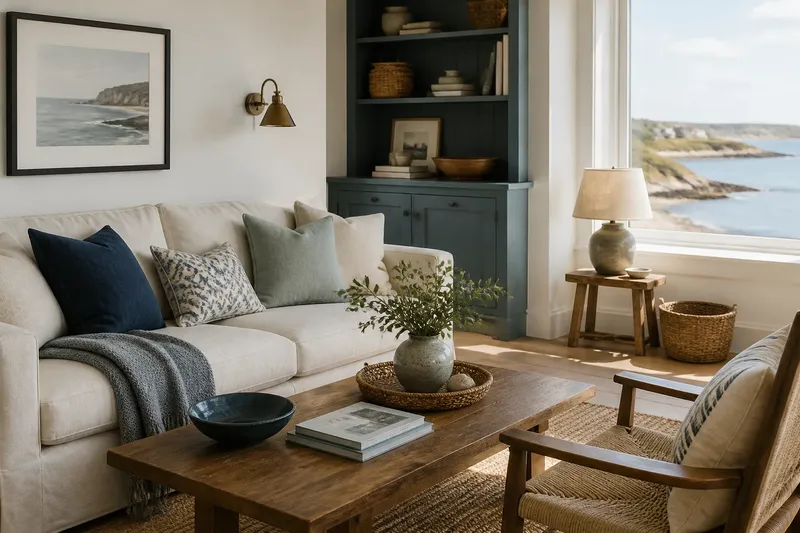
Why a Window Changes the Shape of a Coastal Room
Why a window changes the shape of a coastal room: compare light by position, size and orientation before moving furniture, then choose a layout that fits.
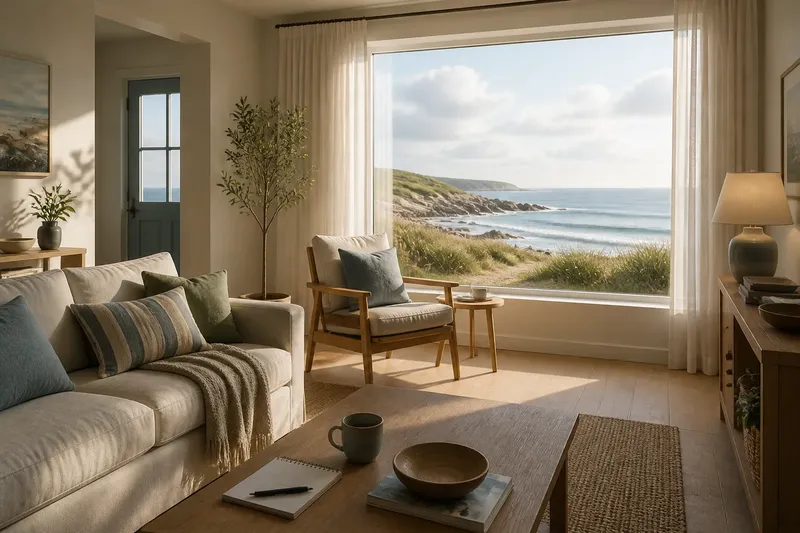
You pull a chair towards the window on a grey morning, then move it back when the low sun catches your eyes. That small adjustment shows why a window changes the shape of a coastal room: daylight arrives from a particular direction, at particular times, and lands differently across walls, floors and furniture. Before rearranging anything, compare the room’s light where you actually sit, read and work.
Window size matters, but it is only one part of the picture. Position determines which surfaces receive light; orientation influences when direct sun is likely to enter; and nearby buildings, trees, eaves and curtains alter what reaches the room. The best arrangement depends on the room’s current conditions and the way you use it, not on a general rule about placing furniture by a window.
Start with your situation
Use the description that most closely matches your room. A single room can fit more than one, especially if it has windows on different sides. In that case, assess each seating or activity area separately.
- If one window lights the room from the side: arrange the main activity so daylight falls beside it, rather than directly behind your head or straight into your eyes. Side light can make a desk, reading chair or dining place easier to see without leaving the whole room uniformly bright.
- If the window is opposite the entrance: notice how the view and incoming light draw attention across the room. Keep a clear route towards the window, and place bulky furniture to one side if it would block the view or make the entrance feel like a passage between obstacles.
- If the room has windows on adjoining walls: compare the corners as well as the centre. Light from two directions may soften some shadows, but a corner can still feel dim if a deep reveal, curtain or nearby exterior feature blocks much of the opening.
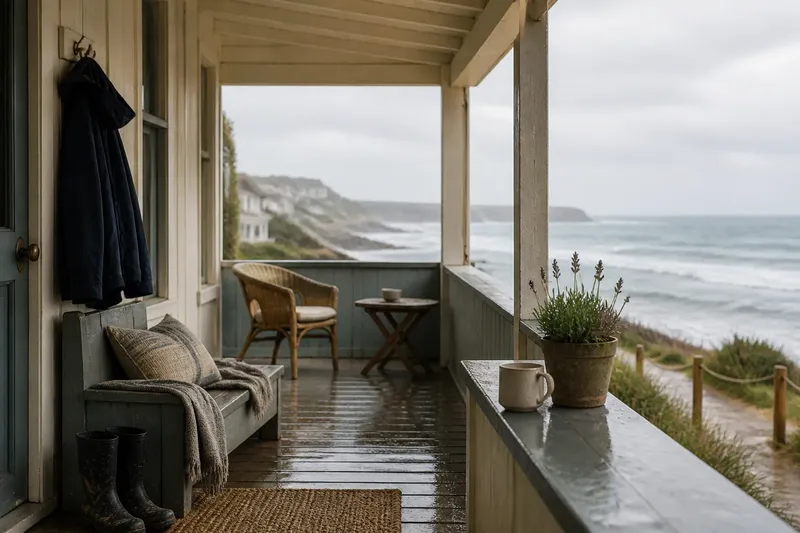
- If a large window is shaded by a porch, eaves or trees: judge the light inside rather than assuming the glass area tells the whole story. The opening may admit broad, gentle daylight without a bright patch on the floor.
- If low sun causes glare: identify the times and the exact places it reaches before shifting a sofa or table. A seat that works in the morning may be uncomfortable later, so a different angle or a movable shade may suit the room better than a permanent layout change.
- If the window is small or set high: look for the wall and ceiling areas it brightens. A high opening can send daylight farther into a space than its size suggests, while a low sill may provide a view and a concentrated patch of light near the floor.
These are starting points, not fixed prescriptions. For example, a desk may need a different relationship to the window from a television or a dining table, even in the same room.
Position sets the light path
A window near a corner gives light a different route from one centred on a wall. It may brighten the adjacent wall strongly while leaving the opposite side less lit. A centred opening can distribute attention more evenly across that wall, though a deep sill or projecting exterior feature may change the result.
Height matters too. A low window brings the view and the brighter area close to seated eye level. A higher opening may illuminate the upper wall and ceiling, leaving the floor less directly lit. When deciding where to place a chair, consider both the useful view and the direction of the light; they do not always ask for the same position.
Distance from the opening also affects how daylight feels. Near the glass, contrast can be strong between the window and the room behind you. Farther in, the light tends to feel less direct, and the room may rely more on reflected light from pale walls, a ceiling or a nearby surface. A window is a little like a lamp with a fixed beam: its position shapes where the brightness gathers, even when the source itself is broad.
Size is not the whole answer
A broad window can admit more daylight, but its effect depends on what surrounds it. A deep reveal, heavy curtains, exterior shutters, a covered deck or a neighbouring wall can narrow the usable opening. Conversely, a modest window with an unobstructed outlook may make a room feel connected to the sky and shoreline even if it does not cast a large bright patch.
Think about the view, too. A window that frames water, dunes or a garden gives the eye a place to travel. A large opening facing a close boundary may provide less visual depth. Furniture should not block a valued view unnecessarily, but a room’s most comfortable seat may sit at an angle to it. Try turning the seat before moving it farther from the wall.
Glass and coverings affect the experience as well. Sheers soften direct sun while still letting the room register changing light; lined curtains can give stronger control when glare or privacy matters. Blinds offer adjustable coverage, but their slats can create stripes that move across a table or screen. Choose based on what you need to see, shade or cover through the day, and check product instructions and local requirements where they apply.
Orientation changes the schedule
Orientation describes which direction a window faces. It helps you anticipate when direct sunlight may be present, but coastal weather and the shape of the building can soften or interrupt that pattern. A sheltered window under an overhang may behave differently from an exposed one facing the same direction.
Rather than relying on a broad claim that one orientation is always best, observe the room at the hours you use it. A room used for breakfast has different needs from one used mainly in the evening. If direct sun lands on a screen or makes a favourite chair uncomfortable, the timing matters as much as the total brightness.
Imagine a small sitting room with a west-facing window and a sofa currently aimed squarely at it. The owner notices that afternoon light reflects on a book and reaches the sofa’s nearest cushion. They turn the sofa slightly towards the side wall and try the seat again at the same time on several ordinary days. If the book is easier to read and the view remains visible, the angle may fit better; if glare still crosses the seat, they can test a sheer or another position before committing to a larger rearrangement.
Compare the room before moving
Make a simple light map with a notebook and a phone camera. Pick the places where you read, eat, work or rest. At the times you normally use the room, record whether each place feels bright, softly lit or dim, and whether direct sun or a reflection causes trouble. Note the weather as well: a clear day and a cloudy day can make the same window feel quite different.
Keep the comparison fair. Stand or sit in the same spots, leave curtains in their usual position, and take photographs from the same angle if they help you remember. You are not trying to measure light precisely; you are looking for a repeatable pattern. A glare problem that appears at a predictable time calls for a different response from a corner that feels gloomy all day.
Next, use a temporary stand-in for a furniture change. Turn a dining chair to test an angle, or place a small side table where you are considering a larger piece. Keep doorways, routes to the window and access to heaters or other fixtures clear. If a possible arrangement feels promising, live with the trial position during the hours you use it before shifting heavier furniture.
Questions about window light?
Which way should a desk face?
Start by placing the window to the side of your usual working position so daylight does not shine directly into your eyes or reflect straight off a screen. Try both sides if the room allows, since your handedness, screen position and the view may affect which arrangement feels more comfortable.
Does a bigger window always brighten a room?
No. A large opening can be shaded by an overhang, trees or nearby buildings, while a smaller, higher window can light an upper wall and make the space feel more open. Compare the daylight reaching the places you use, not just the visible glass area.
How can I check for glare?
Use the room at the times you normally sit, read or look at a screen, and notice whether sunlight or reflected light enters your eyes or crosses the surface. Test a slight change in seat angle or a temporary curtain adjustment before deciding on a lasting layout.
Should furniture sit directly in front of a window?
It can, if the piece does not block a useful view, crowd the route or make the seat uncomfortable in direct sun. Check the height and depth of the furniture against the sill, curtains and opening, then try the position with a light chair or table first.
Choose the arrangement that fits
Let the room’s main use settle the decision. Put a reading chair where the light is comfortable on the page; place a desk where daylight is useful without distracting glare; and keep a route clear when the window is also the room’s visual focus. If the room has several uses, choose a flexible piece or an angle that serves more than one activity.
Why a window changes the shape of a coastal room is easiest to see when you compare the same places at the same times. Position tells you where light gathers, size gives only part of the picture, and orientation helps explain its daily timing. Make a brief light map, trial one small adjustment, and let the room’s observed pattern—not an assumed ideal—guide the furniture that follows.